

Buy In Stock Ammunition Now for Immediate Shipping
In stock ammunition is ready to ship the moment you order, meaning no waiting for backorders or uncertain delivery dates. It arrives in sealed boxes, loaded with primers, powder, and projectiles, so you can load your firearm and head to the range immediately. Because it’s already manufactured and verified, you get consistent performance right out of the box, perfect for practice, hunting, or home defense. Just check your caliber, buy what you need, and store it in a cool, dry place for reliable use whenever you’re ready.
What Does It Mean When Ammo Is Actually In Stock?
When ammo is actually in stock, it means the retailer’s physical inventory matches the website’s real-time count, so your order ships without backorder delays or phantom cancellations. For in stock ammunition, this status guarantees the exact caliber, grain, and quantity you selected are boxed and ready for immediate dispatch—not sitting on a distributor’s shelf waiting on a restock. It signals a buyer’s market moment, where you can lock in pricing and skip the waitlist anxiety that defines out-of-stock listings. Q: What does “in stock” really guarantee for your purchase? A: It guarantees that the ammo is physically 5.56 Ammo for Sale present, verified, and allocated to your order before you pay, eliminating the risk of a canceled transaction or an indefinite hold on your firearm’s next range day.
Why “In Stock” Matters More Than Just Availability
When ammo shows “in stock,” it’s not just a green light—it’s your cue that the practical value of .17 WSM Ammo for Sale buying now is real. Availability alone doesn’t tell you if the price is fair or if the shipment is fresh. But actual stock means you can verify lot numbers, check the packaging, and buy exactly what you need without settling for substitutes. It also means you can plan range days or defensive loads immediately, not hypothetically. Skipping “in stock” items risks backorders that tie up your cash for months. In short, stock status is your only honest promise that the ammo is physically ready to ship, not just listed.
- You can confirm the exact grain and bullet type before paying.
- No waiting on vague “restock alerts” that never fire.
- You avoid paying now for ammo that might never arrive.
- You can compare real prices across retailers instantly.
The Difference Between Backorder, Pre-Order, and Ready-to-Ship
Understanding the difference between backorder, pre-order, and ready-to-ship determines whether your order actually moves. Ready-to-ship means physical ammunition is on a warehouse shelf, assigned to you, and typically departs within 24–48 hours—payment captures immediately and tracking is issued. Pre-order means the retailer has a confirmed allocation from a manufacturer but hasn’t received the physical goods yet; your payment may be held or charged now, but the shipment date depends on an inbound delivery schedule, which can slip. Backorder is the riskiest status: the retailer has no confirmed allocation, no expected date, and your order sits in a queue until inventory is sourced, which may never occur. For practical purposes, only ready-to-ship guarantees movement; pre-order is a calculated wait; backorder is speculative.
- Ready-to-ship: physical ammo on hand, immediate fulfillment.
- Pre-order: retailer expects stock but hasn’t received it—date is provisional.
- Backorder: no stock or confirmed supply—you’re in an unfilled queue.
- Payment timing differs: ready-to-ship charges now; pre-order/backorder may hold or charge without a ship date.
How to Verify a Retailer’s Stock Status Before You Pay
Before handing over payment, confirm the listing reflects live inventory, not a drop-ship promise. Call the retailer directly and ask for the specific SKU’s current shelf count—websites lag behind real-time stock movements. Check the product page for a timestamped “last updated” indicator; if absent, treat the stock as unverified. Use the site’s live chat during business hours to request a manual count, and always read the fine print for “backorder allowed” language. If the checkout process lacks a **real-time stock confirmation step**, consider it a red flag. For extra security, cross-reference third-party inventory trackers, but never rely solely on them.
- Ask for the exact SKU and current quantity during a phone call.
- Demand a stock verification email before entering payment details.
- Rebuild your cart—if the count changes, the stock is dynamic.
Key Factors to Check Before Buying Ready-to-Ship Cartridges
Before committing to in-stock ammunition, verify the cartridge’s headstamp and lot number to confirm consistent manufacturing, then inspect the case mouths for dents or corrosion—ready-to-ship rounds should show no deformities. Check the bullet seating depth against published OAL specs, and ensure the primer is seated flush, not proud. Confirm the cartridge type matches your firearm’s chamber exactly, including pressure ratings like +P. Is it worth buying a bulk lot of ready-to-ship cartridges without pulling a sample? No—always break open one round to verify powder charge and primer sealant integrity. Finally, compare the ship date to the manufacture date; older stock may have degraded propellant, so favor recent production and test a few rounds at the range before relying on them for defense.
Caliber Compatibility: Matching the Box to Your Firearm
Before relying on any in stock ammunition, verify the cartridge designation stamped on the barrel against the box label—a .223 Remington box will not safely chamber in a 5.56 NATO firearm, though the reverse can create dangerous pressure spikes. Check the caliber, not just 7.62x54R Ammo for Sale the brand or price. For revolvers, confirm the exact cartridge (e.g., .38 Special versus .357 Magnum) since cylinder length dictates what you can fire. A quick visual check of the primer and case head prevents a costly misfeed or catastrophic failure when you need that box to perform.
- Match the box’s caliber marking to the firearm’s slide, barrel, or receiver stamp.
- Distinguish between similar cartridges like .40 S&W and 10mm Auto—cases differ in length and pressure.
- Confirm firearm-specific ratings for calibers like .308 Win versus 7.62×51 mm before loading.
Bullet Weight and Grain: What It Changes in Recoil and Accuracy
Heavier grain bullets, such as 180gr in .308, produce a slower muzzle velocity but a sharper, more pronounced recoil impulse due to greater 7mm PRC Ammo for Sale mass, while lighter options like 147gr feel snappier but softer in total push. This weight difference directly alters your point of impact, so switching grain without re-zeroing often shifts groups by several inches at 100 yards. Accuracy improves when the bullet weight matches your firearm’s rifling twist rate and barrel harmonics; a 1:8 twist stabilizes heavier projectiles, whereas a 1:12 favors lighter ones. When selecting in stock ammunition, choose a grain that balances recoil management with the accuracy your system already demonstrates. Stick to one weight for consistent elevation adjustments and repeatable downrange performance.

Brass, Steel, or Aluminum Casing—What’s Inside the Box
When you grab a box of in-stock ammo, the casing isn’t just packaging—it’s half the shooting experience. Brass, steel, or aluminum casing choice directly affects reloadability, feeding reliability, and gun wear. Brass is the softest, expands to seal the chamber, and is your best bet for precision or if you save casings. Steel is cheaper and often lacquered or polymer-coated, but it’s harder on extractors and can stick in tight chambers—fine for blasting, less ideal for delicate guns. Aluminum splits the difference: light, affordable, and corrosion-resistant, yet it’s not reloadable and sometimes fails to expand fully in dirty actions. *If you shoot high-volume, steel saves cash, but for any accuracy work, brass is worth the premium.* Check the box’s casing type before checkout, because your gun will feel the difference.
Brass runs cleanest and reloads best; steel is budget-friendly but hard on parts; aluminum is a lightweight middle ground—match casing to your firearm’s tolerance and your plans for the spent rounds.
Practical Ways to Secure Available Rounds Quickly and Safely
To lock down in stock ammunition before it vanishes, set up stock alerts on multiple reputable retailer sites and act the second your phone buzzes—checkout speed wins. Pre-fill your shipping and payment details in your account settings so you can bypass forms, and verify the round count matches the listing before you commit, avoiding costly errors. When you spot a fair price on available rounds, buy the maximum you can comfortably store rather than dribbling in small orders, which wastes shipping costs and time. For safety, store your haul in a cool, dry, locked container away from heat sources, and handle every box once with gloved hands to spot corrosion before it spreads. This hunt is about readiness, not hoarding—grabbing what you need when you see it keeps you safe and prepared.
Setting Up Stock Alerts Without Getting Spammed
To secure ammunition without drowning in noise, build a spam-free stock alert system by using retailer-specific, filter-based notifications instead of broad “back in stock” toggles. Set price thresholds and caliber filters so you only get pinged for exact SKUs, not every 9mm variant. Use a dedicated email folder or app like AmmoSeek, which aggregates alerts centrally. Disable push notifications for every vendor; keep only two or three high-volume sites active. Finally, set alerts to expire after 48 hours—this forces fresh searches and prevents stale, repeated pings. A quick comparison helps:
| Aspect | Smart Alerts | Spam Trap |
|---|---|---|
| Filter | Caliber + grain | All categories |
| Frequency | Once per restock | Daily digest |
| Duration | Auto-expire | Forever |

Which Order Quantities Make Sense for a First-Time Buyer
For a first-time buyer, the smartest move is to start with a **practical bulk quantity** of 200 to 500 rounds of your primary 5.7x28mm Ammo for Sale caliber. This amount covers range practice, function testing, and a basic reserve without overwhelming your storage or budget. Avoid buying single boxes, as they vanish quickly during shortages; also avoid committing to 1,000+ rounds until you confirm your firearm runs flawlessly with that specific load. Choose a mid-range quantity you can reasonably transport and secure in one trip, ensuring you leave with enough ammunition to build confidence and stay prepared for restocking delays.
Start with 200–500 rounds of your chosen load to balance immediate availability, cost efficiency, and 7.62×51 Ammo for Sale storage practicality.
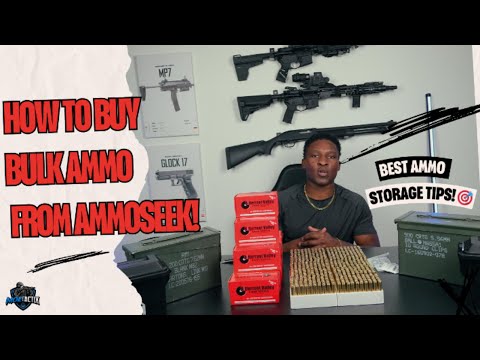
Shipping and Handling: What to Expect When Your Order Ships
When your in-stock ammunition order ships, expect carrier restrictions to dictate packaging, as ground services are standard for most loads. Shipping and handling for ammunition follows strict weight limits, so vendors may split bulk cases into multiple boxes; this can stagger delivery times by a day. Tracking updates often lag until the first physical scan, so do not panic if the status sits at “label created” for 24 hours. Upon arrival, inspect the outer carton for crushing or punctures before signing—refuse damaged packages immediately. Signature is typically required for orders exceeding a weight threshold, and carriers will not leave ammo unattended. Plan for delivery during business hours, since rerouting or holding at a depot is often necessary if you miss the attempt. This sequence ensures safe, compliant receipt:
- Monitor tracking for scan anomalies.
- Verify package integrity at the door.
- Retain the delivery receipt for your records.
How to Store Your Purchased Supply for Long-Term Reliability
Store your in-stock ammunition in a cool, dry environment, ideally between 55–70°F, with humidity below 40% to prevent corrosion and powder degradation. Use sealed, military-grade ammo cans with desiccant packs, and place a hygrometer inside to monitor moisture; avoid basements or attics where temperature swings cause condensation. Keep rounds in their original boxes or reloading trays, never loose, to prevent primer damage and bullet setback, and rotate your stock using a first-in, first-out system. Do not oil cartridges, as lubricant seeps into primers and powder, causing misfires. Q: How long can stored ammo last? A: Under ideal conditions, factory ammunition can remain reliable for decades, but inspect for green verdigris on brass or cracked necks annually. Elevate containers off concrete floors to reduce temperature transfer.
Temperature and Humidity Ranges That Preserve Primer and Powder
To keep your in-stock ammunition firing reliably for decades, treat temperature and humidity as your primary enemies. Store your rounds in a stable climate between 60–70°F, avoiding any drastic thermal swings that cause condensation inside the case. Consistent humidity below 40% is critical, as moisture degrades primers and accelerates powder breakdown. Aim for 30–40% relative humidity—never above 50%, or corrosion will attack the brass and primer cups. Use silica gel packs in your ammo cans and check them seasonally. Extreme heat above 90°F can leach nitroglycerin from double-base powders, altering burn rates.
- Maintain 60–70°F to prevent 7.62×39 Ammo for Sale thermal cycling that draws moisture into sealed cartridges.
- Keep relative humidity at 30–40%; above 50% risks primer cup rust.
- Never expose ammo to direct sunlight, which spikes temperature and dries out case lubricants.
- Add desiccant packs and replace them quarterly for consistent, long-term primer protection.
Best Containers: Ammo Cans, Original Boxes, or Loose Bags
For long-term ammunition storage, resealable military-surplus ammo cans with rubber gaskets outperform original cardboard boxes or loose bags. Cardboard absorbs ambient moisture, degrading primers over months, while loose bags offer zero crush or puncture protection. Transfer your in-stock ammunition directly into metal ammo cans, adding desiccant packs to control residual humidity. Avoid plastic bags unless they are 6-mil thick and heat-sealed, specialty sports & supply as thin poly breathes. Original boxes are acceptable only inside a sealed ammo can, preventing crushing while adding a moisture buffer. Do not store loose rounds loose in a can, as bullet setback and case dents will occur during handling.
Choose sealed metal ammo cans over cardboard or loose bags for indefinite shelf life and physical protection.
Rotation Tips to Use Oldest Rounds First Without Hassle
To make rotation tips to use oldest rounds first without hassle stick, stop overthinking it—just adopt a “back in, front out” rule for your ammo cans. When you buy fresh in stock ammunition, physically place it behind what’s already stored; on range day, grab from the front. Write the purchase month on the box lid with a sharpie, so you don’t have to guess. If you shoot less than you buy, set a calendar reminder every three months to simply flip your cans’ order. Use the oldest stuff for plinking or function checks, not just hoarding. That way, your rotation becomes automatic, and you never deal with mystery-aged rounds.
- Group ammo by batch with a “first opened” label on the lid.
- Keep a dedicated “use next” shelf separate from your deep storage.
- Rotate cans during cleaning day—no extra chore needed.
Common Mistakes People Make with Freshly Bought Cartridges
When you finally secure in stock ammunition, the relief can lead to careless handling of those freshly bought cartridges. A top mistake is immediately chambering a round to “test” it, then ejecting it—this can deform the bullet tip or cause setback, especially with softer projectiles. Another common error is dumping loose rounds into a dusty range bag or pocket, letting grit and moisture cling to the casing, which invites feed failures later. Many shooters also neglect to check the lot number on their new stash, assuming all in stock ammo is identical; mixing old and new batches can shift point of impact. Finally, don’t store those fresh cartridges in a hot car or direct sunlight, as temperature swings degrade powder consistency.
Treat every newly purchased box as unproven until you verify a few rounds feed, fire, and cycle flawlessly in your specific firearm.
Respect the freshness—your next magazine’s reliability depends on it.
Overbuying a Caliber You Rarely Shoot—And How to Avoid It
Overbuying a caliber you rarely shoot often stems from seeing a Ammo Cans & Storage for Sale tempting deal on in stock ammunition, but the savings vanish if those rounds sit unused for years. To avoid this, set a firm rule: only purchase what you can realistically shoot within six months, factoring in your actual range frequency and round count per session. If you average two boxes monthly, a ten-box bulk buy is a liability, not a bargain. Before checkout, check your current stash—if you already have more than a year’s supply for that firearm, skip the purchase. Match bulk ammo purchases to your proven shooting habits rather than potential future plinking. Finally, ignore clearance-priced oddball calibers unless you own multiple guns chambered for them, or you’ll simply store expensive paperweights.
Ignoring Lot Numbers: Why Mixed Lots Can Affect Grouping
When you buy in stock ammunition, grabbing multiple boxes without checking the lot numbers is a precision killer. Manufacturers tweak propellant blends and case dimensions between production runs, so **mixed lots can affect .17 HMR Ammo for Sale grouping** by shifting your point of impact or opening up shot clusters unpredictably. Even same-brand, same-bullet cartridges from different lots can print an inch apart at 100 yards. Always ask the retailer for cartridges sharing one lot number, or inspect the box stamps yourself. For serious accuracy work, buy enough from a single lot to cover your entire session. Ignoring lot numbers turns consistent ammunition into a variable you can’t control.
Q: How do I know if my in stock ammo boxes share the same lot?
A: Check the stamped or printed lot code on each box—usually letters and digits near the barcode. If the codes match, they’re from the same run; if they differ, treat them as mixed lots and expect potential grouping shifts.
Testing One Box Before Stocking Up on a New Brand
When you find in stock ammunition from a brand you have never fired, buying only one box before committing to a case is a critical safeguard. Your firearm’s chamber, feed ramp, and extractor may react unpredictably to a new cartridge’s case taper, bullet ogive, or primer hardness. A single box lets you test for short stroking, failure to feed, or inconsistent accuracy at your usual distance. Also, inspect spent brass from that test box for cracked necks, excessive primer flattening, or uneven ejector marks—these are early warnings. If the first fifty rounds run flawlessly and group tightly, then you can confidently purchase the remaining stock in bulk.